Keeping your air conditioning system in good condition is essential if you want it to run efficiently, last longer and avoid unexpected breakdowns. The good news is that there are a few simple maintenance tasks you can carry out yourself. However, there are also situations where professional support is essential, particularly when it comes to air conditioning repairs.
What You Can Do Yourself
There are several maintenance tasks homeowners can carry out safely. These are low risk and can help your system run more efficiently, reducing wear and lowering the likelihood of future air conditioning repairs.
1. Clean or Replace Air Filters
Check filters regularly and clean or replace them every one to three months, depending on usage and environment. A dirty filter restricts airflow, forcing the system to work harder, increasing energy use and reducing air quality.
2. Keep the Outdoor Unit Clear
If you have an external unit, keep it free from leaves, dirt and debris. Good airflow is essential for removing heat from the system, so blocked units will struggle to cool effectively. You can rinse the external unit with a hose if needed, avoiding electrical components and using low pressure only.
3. Check Vents and Airflow
Make sure vents are not blocked by furniture or dust build-up. Restricted airflow can lead to uneven cooling and place unnecessary strain on the system over time.
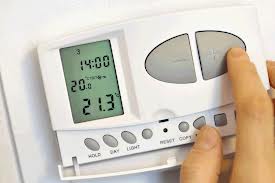
4. Monitor the Thermostat
Check your thermostat is set correctly and responding as expected, and replace batteries if needed. If the air conditioning unit is turning on and off more frequently than usual, it may indicate inefficient operation.
5. Watch for Early Warning Signs
Look out for reduced cooling, unusual noises or rising energy bills. These are often early indicators of a fault, and addressing them early can help avoid more serious issues.
These checks can help keep your system running well, but they are no substitute for professional servicing. Knowing when to call in an expert can help prevent further problems.
When to Call a Professional
Air conditioning systems are complex, involving electrical components, pressurised refrigerant and specialist equipment. Under UK regulations, refrigerant must be handled by F-Gas certified engineers. For this reason, certain tasks should always be carried out by a qualified professional, with the training and tools to work safely, meet regulations and diagnose faults without causing further damage.
1. Any Refrigerant Issues
Low refrigerant levels or leaks reduce cooling performance and can damage the unit. In addition to weaker cooling, you may notice ice forming on pipes or the indoor unit, or a hissing sound, which can indicate a leak.
2. Electrical Faults
Issues with wiring, capacitors or internal components can pose safety risks. Signs include the system not turning on, tripping electrics, clicking or buzzing noises, or switching on and off unexpectedly. These faults should be diagnosed and repaired by an expert.
3. Ice Build-Up or Water Leaks
Ice on the unit or water pooling nearby often points to airflow issues, refrigerant problems or system faults. This may present as reduced cooling, damp patches or visible dripping. These issues should be assessed by a professional.
4. Strange Noises or Smells
Grinding, banging or burning smells are not normal. They often indicate mechanical or electrical faults, and prompt air conditioning repairs are needed to prevent further damage or potential safety risks.
5. Poor or Inconsistent Cooling
If your system is running but not cooling effectively, there may be a deeper issue affecting performance. You might notice uneven temperatures between rooms, longer run times, or airflow that feels weak or not as cold as usual. These are signs your equipment is not performing as it should and should be checked by a professional.
For any of these issues, it is best to speak to a specialist. Climachill provides expert support for air conditioning servicing, breakdowns and repairs, helping to diagnose and resolve problems quickly and safely.
Keeping Your Air Conditioning on Track
Regular servicing helps catch issues early and keeps everything working as it should. A qualified engineer can carry out detailed checks, clean key components and make adjustments that are not possible through basic maintenance alone.
If you are experiencing issues or need support, Climachill offers air conditioning servicing, breakdowns and repairs to diagnose and resolve problems quickly.
For homeowners considering an upgrade, their residential air conditioning installation services provide tailored solutions designed for your space. Portable units are also available through the online shop, offering flexible cooling options where needed. You can also view the areas they cover to see if their team operates in your location.
Trusted Support from Experienced Engineers
Basic maintenance can help prevent issues, but it will not resolve faults once they develop. Ignoring early warning signs often leads to more serious problems and higher repair costs.
If you are unsure, it is always best to speak to a qualified engineer. To arrange expert support or discuss your air conditioning, get in touch with the Climachill team today.